 dsale@topsfp.com
 English
 русский
 español
 العربية
 中文
中文



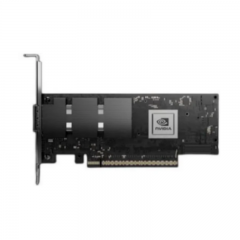
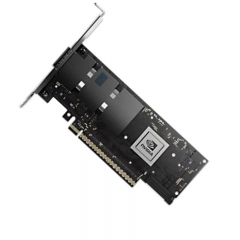
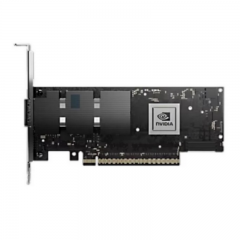
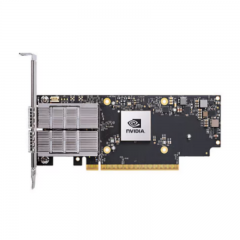
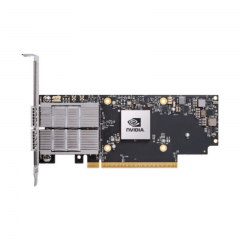
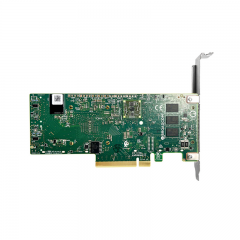
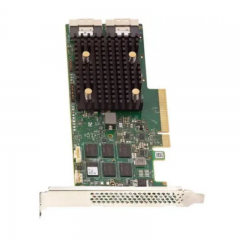
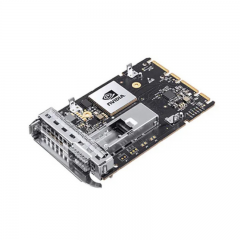
Topstar has resumed normal business communication after the 2026 Lunar New Year holiday. For customers planning optical-network, server-memory, enterprise-SSD, network-adapter, switch, or AI-server projects, the period immediately after a holiday is a good time to reconfirm technical requirements, update delivery assumptions, and organise the documents that keep a purchase moving smoothly. This update explains how to prepare an efficient request for quotation and how to reduce avoidable delays during the return-to-operations period.
What “full operations” means for a project request
Returning to normal operations does not mean that every component is immediately available or that every route has the same lead time. Availability depends on the exact manufacturer part number, condition, quantity, stock location, required testing, and destination. The most useful first step is to send a complete request rather than a short product name. Include the approved part number, quantity, host platform, required delivery location, desired condition, and any compatibility or certification requirements. This lets the sales and technical teams compare the request against the correct stock and supplier channels instead of preparing a generic quotation that must be reworked later.
Update your bill of materials before requesting price
Many post-holiday projects begin with an old bill of materials that has changed during budgeting. Review every line item with the engineering or operations owner. Confirm the server model, switch model, port type, connector, interface generation, form factor, firmware or coding requirement, and included accessories. For a transceiver, identify the host device, speed, reach, fibre type, connector, and whether the link is a direct connection or part of a breakout design. For memory and SSDs, identify the exact platform bay, carrier, population rule, and part number. A clean bill of materials prevents substitutions that are physically similar but unsuitable for the installed system.
Provide information for a useful quotation
A quotation should make the commercial and technical scope easy to audit. State the legal purchasing entity, ship-to country, preferred Incoterms if your organisation uses them, currency, requested payment structure, and whether partial shipment is acceptable. Specify whether serial-number traceability, photos, test records, or special packing are required. For a pilot order, explain that the purpose is compatibility validation so that the supplier can quote a small, clearly defined sample. For a rollout, include the required delivery sequence by site or rack. These details help the supplier identify realistic options and help your team compare responses on the same basis.
Confirm compatibility before releasing a volume order
Compatibility should be confirmed at the system level. Optical modules must match the switch or NIC, speed mode, fibre path, and current firmware policy. Network adapters must match the server PCIe slot, power, airflow, operating system, and switch fabric. DDR5 server memory must match the platform’s approved memory type and population guide. Enterprise SSDs must match the bay, backplane, carrier, interface, firmware, and thermal design. If the configuration is new or business-critical, validate one sample in the target system before committing to volume. Record the test result, software version, and final approved part number for future purchasing.
Plan stock, testing, and shipment as separate stages
Do not treat “in stock” as a complete delivery plan. Ask whether the item is physically available, allocated, incoming, or subject to vendor confirmation. Then confirm whether compatibility coding, burn-in, lab testing, labelling, or special packing is required before dispatch. For international shipments, review the destination, consignee information, customs responsibilities, and any documents required by your organisation. A realistic plan identifies the latest acceptable dispatch date and the notification path if a line item changes. This gives the project manager a usable schedule without turning an estimate into an unconditional delivery promise.
Use the return to operations to review spares
The first weeks after a holiday are also a practical time to inspect spare inventory. Compare the installed base with available optical modules, DAC or AOC assemblies, power supplies, storage carriers, NICs, and memory modules. Confirm that the spare part number matches the deployed hardware and that the stored item has the correct form factor and connector. Keep serial-number and location records current. A small, approved spare inventory often reduces downtime more effectively than an urgent search after a failure, especially when a data-center team manages more than one hardware generation.
Set a communication and change-control process
Use one traceable channel for quotation revisions, technical questions, and shipping updates. Any change to the part number, quantity, payment beneficiary, ship-to address, or delivery terms should be confirmed through your procurement process. For multi-site or multi-rack projects, nominate one technical approver and one commercial approver. This prevents the common problem where a compatible alternative is discussed informally but never added to the purchase order. Keeping the final bill of materials, quotation, data sheet, test evidence, invoice, packing list, and tracking details together simplifies receiving and later warranty support.
Post-holiday project checklist
- Refresh the exact bill of materials and remove obsolete or ambiguous part numbers.
- State the host platform, compatibility requirements, condition, quantity, and destination for every line.
- Confirm stock status, test requirements, packing, and dispatch assumptions separately.
- Validate new configurations with a representative sample before volume purchase.
- Maintain traceable records for the approved part, shipment, and installed asset.
Next step
Topstar welcomes new and continuing project enquiries as normal operations resume. Send the exact requirement and intended platform so that the quotation can be prepared around the real deployment rather than a generic product description. Final availability, compatibility, pricing, shipping, and warranty terms should always be confirmed for the specific order.
