 dsale@topsfp.com
 English
 русский
 español
 العربية
 中文
中文



U.S. Import Tariffs and Optical Equipment: A Documentation-First Planning Guide
Importing optical transceivers, fiber-optic equipment, network hardware, or server components into the United States requires more than arranging transportation. The commercial invoice, product description, country of origin, Harmonized Tariff Schedule (HTS) classification, customs entry, applicable duties, and product-specific exclusions all affect the import process. These requirements can change, and the final treatment of a particular shipment depends on its actual facts. This article provides a practical planning framework for customers and partners; it is general information only and is not legal, customs, or tax advice.
The most important principle is simple: do not estimate duties from a product nickname or a generic category. A “400G optical module,” “network card,” or “fiber cable” may have a different customs classification depending on its physical characteristics, function, configuration, and country of origin. The importer of record is responsible for customs entry information and should work with a qualified customs broker, trade professional, or legal adviser to confirm the applicable treatment before shipment.
Begin with an accurate product description
Good documentation starts with a clear, technically accurate description. A commercial invoice should identify the manufacturer or brand where appropriate, the precise model or part number, the product’s function, quantity, unit value, country of origin, and any other information requested by the importer or broker. Descriptions such as “computer parts” or “fiber products” are usually too broad to support a confident classification review. The more clearly the physical and functional characteristics are stated, the easier it is for the importer and broker to evaluate the goods.
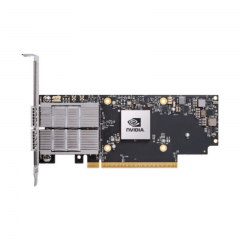
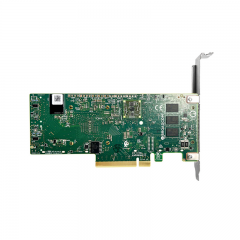
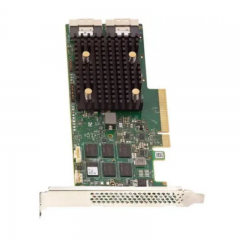
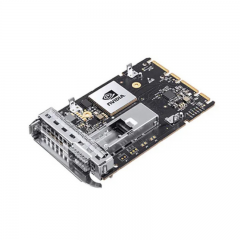
For an optical transceiver, useful details can include the form factor, interface speed, optical or electrical function, wavelength where relevant, connector type, fiber medium, reach, and intended host equipment. For a network adapter, the port type, data rate, bus interface, controller family, and intended server or network function may be relevant. For a server storage or memory component, include the physical form factor, interface or memory generation, capacity, and part number. The purpose is not to choose a tariff code independently; it is to give the qualified reviewer sufficient information to make an informed decision.
Understand the role of HTS classification
The Harmonized System provides a standardized way to classify traded goods. In the United States, imports use the Harmonized Tariff Schedule, while exports use Schedule B. The first six digits of the HS subheading are standardized internationally, but countries can add additional digits and national rules. The United States uses a 10-digit HTS number for imports. Similar products can fall into different provisions when their technical characteristics differ, so classification must be based on the actual item rather than a previous shipment that may not be identical.
The U.S. International Trade Administration explains that HS codes support duties, trade statistics, and shipping documentation. When a classification is difficult or uncertain, the U.S. Customs and Border Protection ruling process can provide a more authoritative path than relying on informal assumptions. A supplier can assist by supplying accurate technical documents, but it should not present an unconfirmed HTS number, duty rate, or exclusion as a guaranteed result. The importer and its customs adviser should make the final determination for the intended entry.
Section 301 and product exclusions require current checking
U.S. measures under Section 301 have applied additional duties to certain goods from China and include processes for product exclusions. These measures and exclusions are not a single fixed rate that applies to every China-origin product. Their effect depends on the HTS classification, country of origin, entry date, scope language, and any relevant exclusion. USTR maintains official information on China Section 301 tariff actions and exclusions, while CBP provides implementation guidance and information about advisory assistance and binding rulings.
As of the USTR notice issued in late 2025, certain currently active exclusions were extended through November 9, 2026. This does not mean a particular optical or networking product is excluded. Eligibility must be assessed against the exact scope of the exclusion and the product’s classification. Because dates, scope notes, and implementation instructions can change, teams should check the current USTR notice and CBP guidance immediately before a shipment is finalized rather than relying on an older quotation, article, or spreadsheet.
Country of origin is not the same as shipping route
Country of origin is a customs concept and is not necessarily the country from which a parcel is shipped. A shipment routed through a third country does not automatically change the origin of the goods. Origin analysis can involve the manufacturing and transformation facts of the product. Any strategy involving multiple supply locations, assembly, or distribution points should be reviewed with qualified customs advice before it is used for declarations or cost planning. Incorrect origin information can create customs delays, additional cost, or compliance exposure.
For procurement planning, ask suppliers for an accurate origin statement and retain supporting records. Do not ask a supplier to use an incorrect description, value, origin, or classification to obtain a desired result. Transparent information protects both the importer and the supplier and makes it easier to answer questions from customs authorities if they arise.
Build a shipment file before goods move
A robust shipment file should contain the purchase order, commercial invoice, packing list, product datasheet, applicable origin information, exporter and importer details, shipping terms, and broker instructions. If the shipment involves a product-specific ruling, exclusion analysis, license, certificate, or special document, retain the relevant evidence with the file. Consistent documents reduce the chance that a shipment is held because the product description, declared value, and technical documentation do not match.
For complex projects, create a bill of materials with each item’s exact part number, description, quantity, intended use, and origin. Review it with the importer and customs broker before dispatch. This is particularly useful when a data-center deployment combines optics, cables, adapters, switches, storage, and server components, because each line item may require its own analysis. A project-level review also helps the customer plan landed cost and avoid last-minute changes at the port of entry.
How Topstar can support the process
Topstar can provide product descriptions, part numbers, available datasheets, packing information, country-of-origin information supplied through our records, and commercial documents needed for normal shipment coordination. We can also work with the customer’s designated freight forwarder or customs broker to clarify the product information they require. However, customs classification, duty assessment, tariff exclusion eligibility, and legal compliance decisions remain with the importer of record and its qualified advisers.
Customers planning a U.S.-bound order should share the target product list, quantity, destination, delivery timing, and broker contact early in the process. If a classification or duty question is important to the purchasing decision, raise it before an order is released. Allow enough time for professional review, particularly when the product is new, the configuration differs from prior shipments, or the HTS treatment is uncertain.
Conclusion
Tariff planning for optical and network equipment should be specific, current, and documented. Use exact product data, have the importer and its broker confirm the relevant HTS treatment, review current USTR and CBP information, and keep the shipment file consistent. This approach does not remove every trade risk, but it provides a stronger foundation for responsible procurement and customs compliance than relying on outdated rates or broad product labels.
For current official resources, consult the USTR Section 301 tariff actions page, CBP Section 301 FAQs, and the U.S. International Trade Administration HS code guide before making an import decision.
